Gain insight into a topic and learn the fundamentals.
No prior experience required
Scheduled sessions and interactive learning.
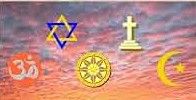
Explore the world’s major religious traditions through a structured, text-anchored, and historical lens. Over 52 weeks (208 lectures), this flagship course offers a comparative study across nine traditions—Hinduism, Buddhism, Taoism, Zoroastrianism, Confucianism, Sikhism, Judaism, Christianity, and Islam. Students engage directly with primary scriptures and canonical texts to examine fundamental themes, including concepts of God, sacred law, ethics, mysticism, schisms, and eschatology across both Eastern and Abrahamic faiths. Course Format: 4 lectures per week featuring conceptual themes, religion-specific analyses, and direct primary source comparative readings.
Direct Engagement with Source Texts: Rather than relying on summaries or second-hand interpretations, students read primary sacred scriptures and canonical texts directly (including the Upanishads, Tripitaka, Tao Te Ching, Torah, Bible, and Qur'an). This builds rigorous textual analysis and critical reading skills.
Comprehensive Global Perspective: The course covers nine major Eastern and Abrahamic traditions, giving students a balanced, global understanding of how different cultures address life's biggest questions—such as morality, authority, human nature, and the ultimate reality.
Structural & Thematic Insight: By comparing religions side-by-side using a structured four-lecture weekly model, students learn to identify deep thematic connections, points of convergence, and distinct differences across traditions rather than viewing them in isolation.
Cultural & Historical Literacy: Understanding the history, schisms, and modern evolution of these belief systems equips students with the historical context needed to navigate global affairs, modern societal debates, and diverse multicultural environments.
Nuanced Critical Thinking: Examining complex concepts like law, ethics, mysticism, and eschatology through multiple philosophical frameworks helps students develop nuanced, objective thinking while reducing bias and surface-level assumptions.
Add to your LinkedIn profile
0 assignments
Certified, accredited, and experienced instructors
Comprehensive question bank covering all domains
Course content based on the latest exam syllabus
Proven track record of learner success across industries
Long-term access to all learning materials and updates
Rigorous assessments to ensure complete mastery
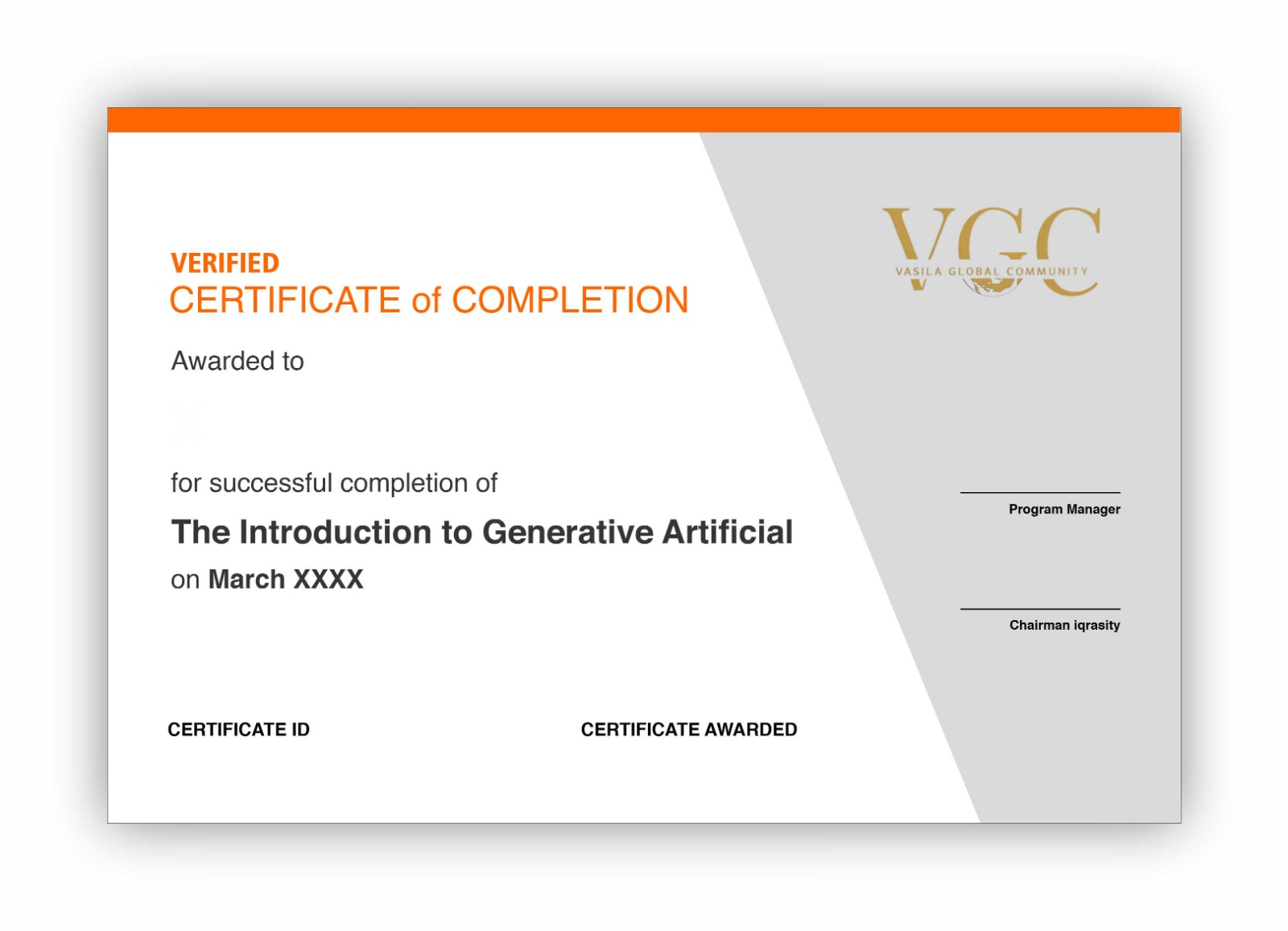
Issuance of shareable, digitally verifiable certificate
Highly affordable and self-paced
Mentor
He is a Pakistani author, philosopher, public speaker, and mentor known for his thought-provoking discussions on philosophy, religion, personal development, and contemporary social issues. Through his writings, lectures, and podcast, he encourages critical thinking, self-discovery, and intellectual growth. In this one-to-one interactive mentorship program, participants receive personalized guidance designed to strengthen their mindset, enhance decision-making, and support both personal and professional development.